Ethical UX in E‑Commerce: A Guide to Clear, Inclusive, and Trustworthy Design
By Ellianys Pupo Restrepo
Professional Practices, University of Utah, 2026
Ellianys Restrepo
Feb 21, 2026
5 min read
Summary
Key Insights Overview
Analyze Hecha Asi Nails page to show how ethical UX improves readability, accessibility, and trust.
Readability & Accessibility: Low contrast reduces legibility; follow WCAG standards.
Avoid Manipulative Patterns: Transparent, honest messaging builds trust.
Authentic Content: Real user reviews and images increase credibility.
Inclusive UX: Design should be legible, understandable, accessible, and respectful.
My name is Ellianys Pupo Restrepo, and I am a freelance Graphic Designer in Salt Lake City, Utah. I didn't get into graphic design and marketing just to make things look pretty. I got into it because I genuinely believe design has the power to make people's lives easier, clearer, and fairer. That starts with being honest about who you're designing for, no matter the project. I always start with being honest about who you're designing for. My work spans graphic design, UX/UI, branding, and web design. I always start with research: who is this person? What do they need? Where is the current experience failing them? In this blog post is a focused examination of the Hecha Asi Nails page from the Make It POP Framer project, analyzing how visual design and interaction choices affect readability, accessibility, and user trust — and how ethical UX principles can guide better digital experiences.
If you have ever found yourself adding something to your cart that you didn't plan on buying, or feeling rushed by a countdown timer that may or may not be real, you have been on the receiving end of manipulation design. It happens more than you think. The more I learned about UX/UI design, the more I started recognizing these patterns everywhere. There have also been many famous companies, like Amazon and Yelp, exposed about these design/marketing choices. I wanted to talk about a guide for designers to take unethical design and turn it into something more ethical and safe. Since I offer UX/UI and website creation services, this is especially important for improving your e-commerce store.
Because I offer website creation services, guides, and courses on how to be a better designer with ethical design practices, I have seen an increase in sales and customer engagement with businesses and their customers.
Introduction: Design That Looks Good vs. Design That Works
A beautiful interface may catch the eye, but beauty alone isn’t enough. Users expect clarity, usability, and honesty, especially in e‑commerce. When text, visuals, and interactions are unclear or misleading, the result is frustration, confusion, or loss of confidence in the product.
The Hecha Asi Nails page showcases an attractive layout, but closer inspection reveals usability challenges that we can learn from and improve upon.
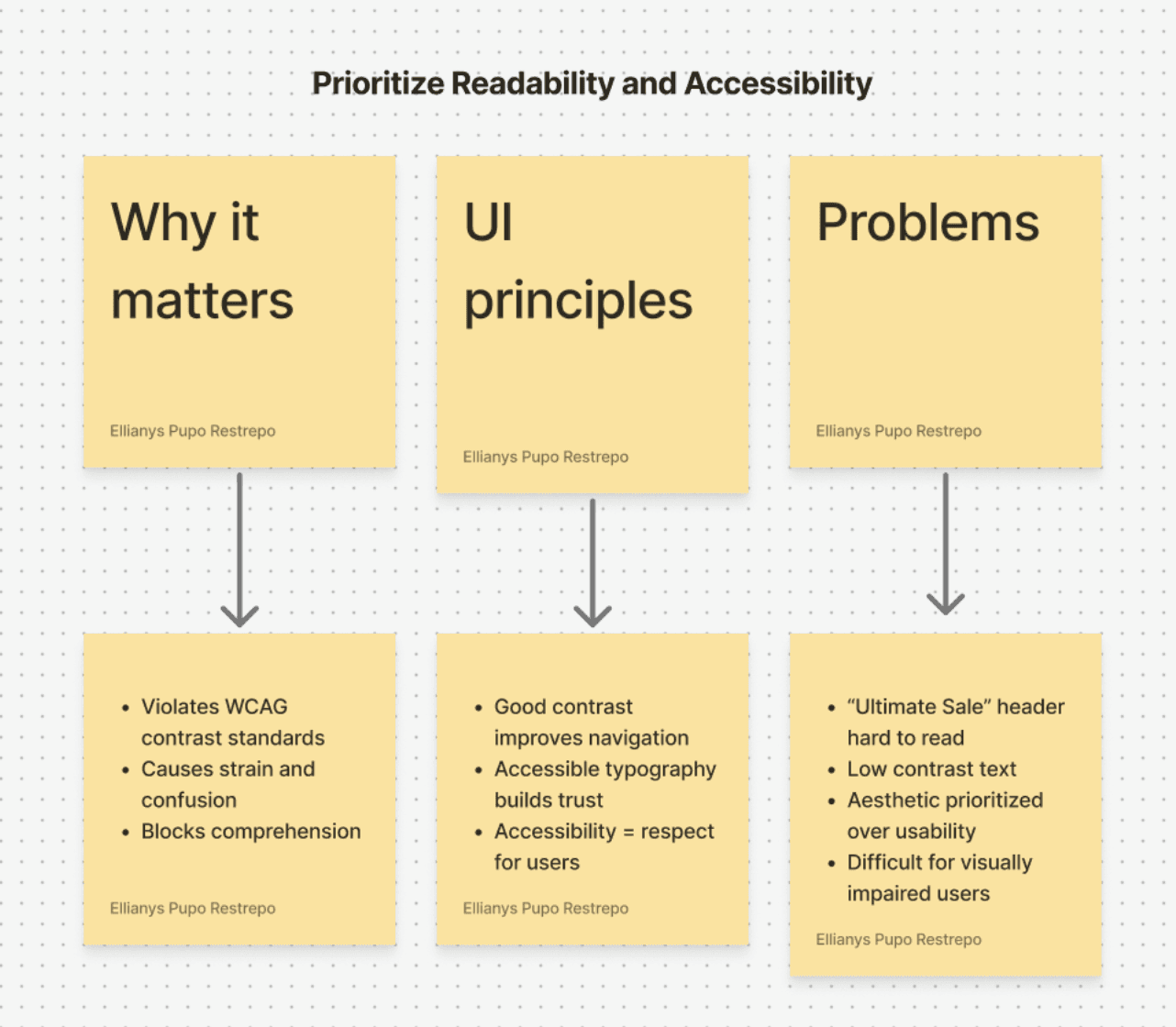
1. Prioritize Readability and Accessibility
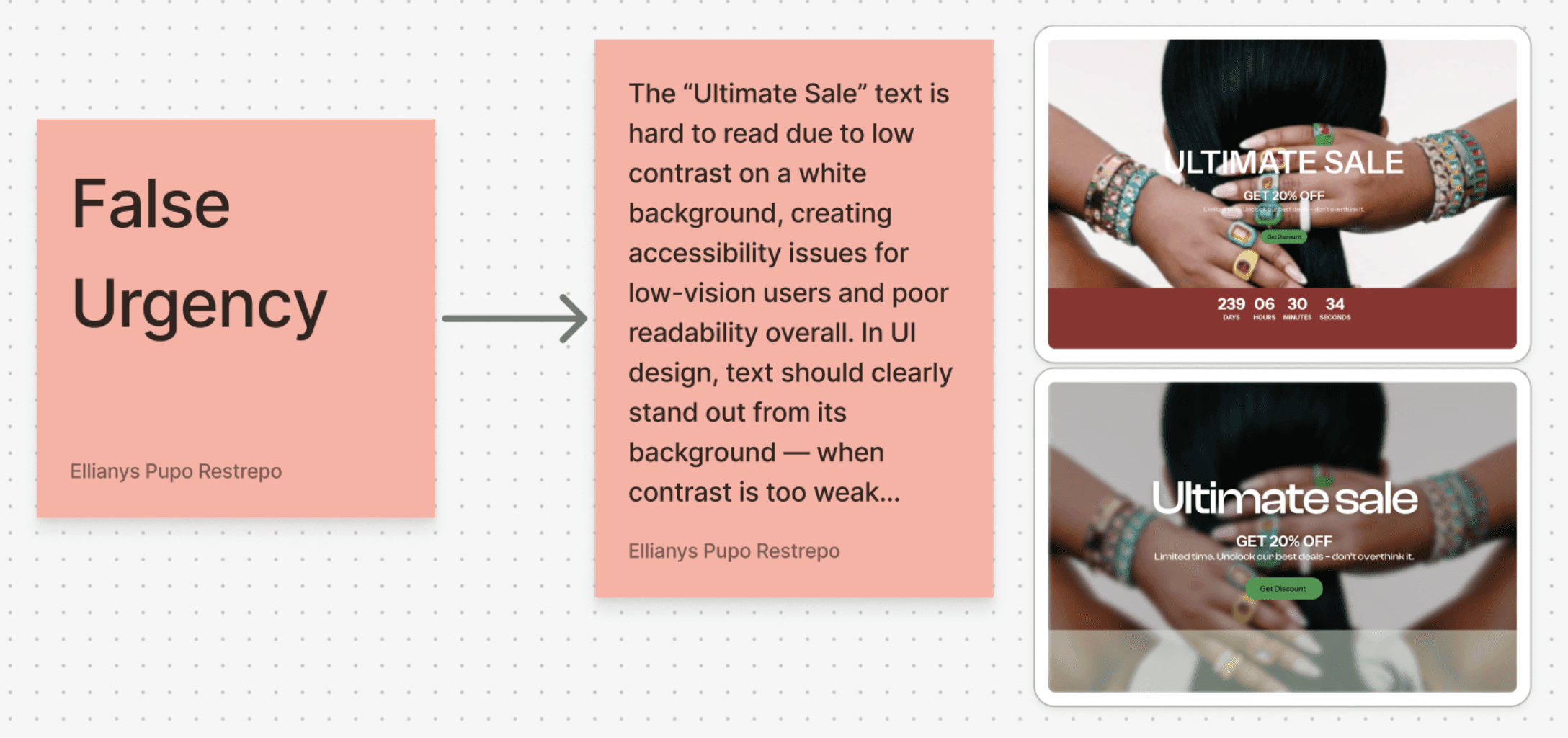
On the Hecha Asi Nails page, certain elements like the limited‑time “Ultimate Sale” header are difficult to read due to low visual contrast with the background. This may seem like an aesthetic choice, but it directly impacts accessibility and usability. According to accessibility standards like WCAG, text must have enough contrast with its background so users with visual impairments, and everyone else, can read it without strain.
Accessible typography and color contrast improve comprehension, help users navigate with confidence, and reflect respect for all user needs — not just stylistic trends.
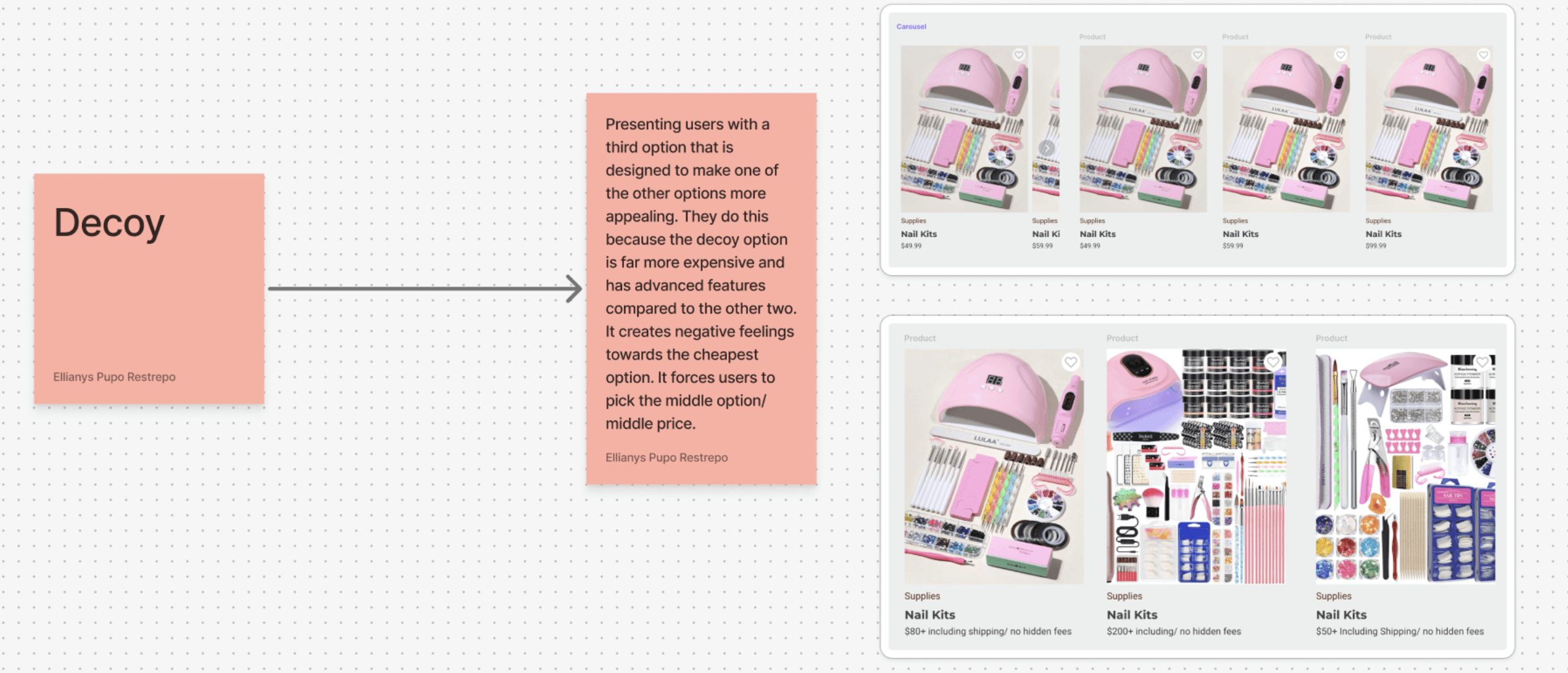
2. Minimizing Dark Patterns
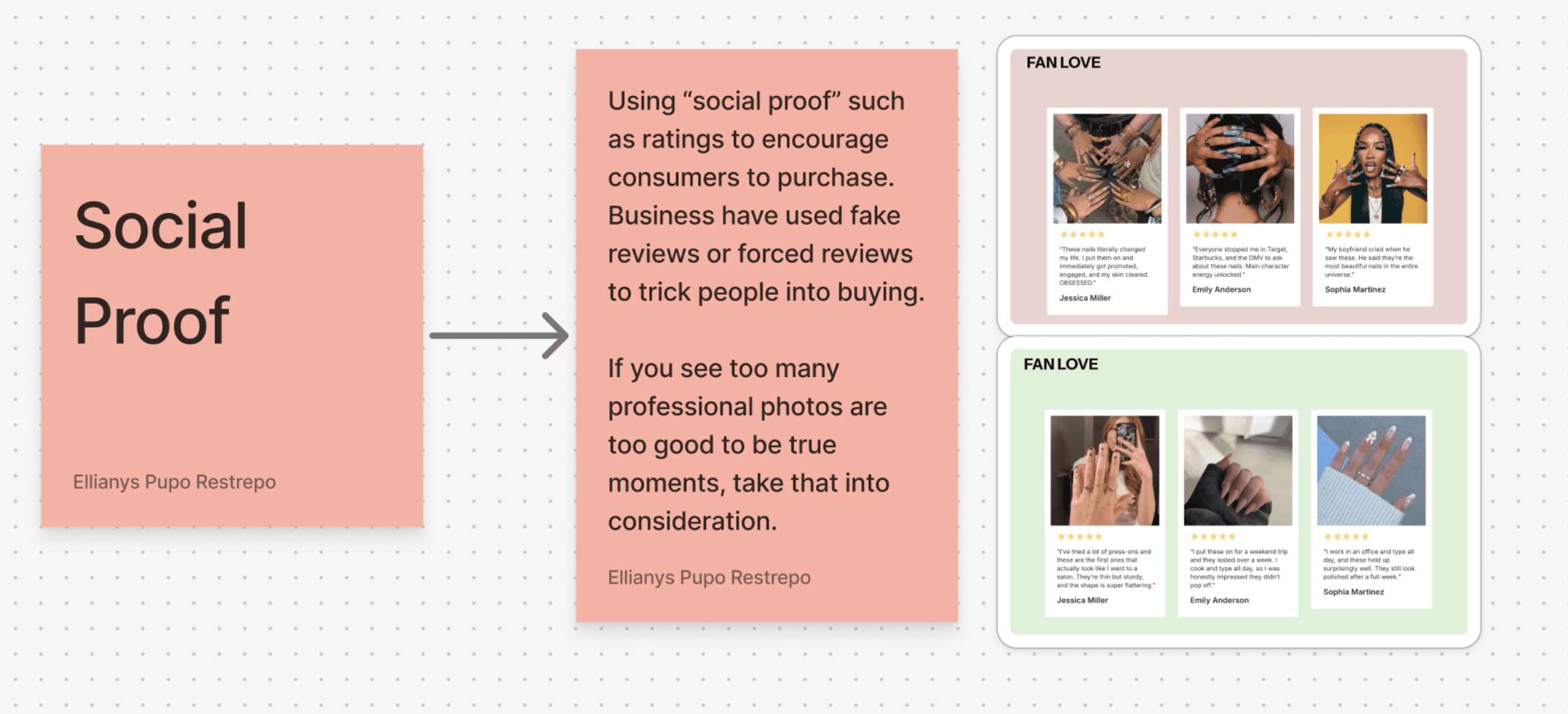
Design should never trick users into purchases. Ethical UX avoids manipulation, prioritizing transparency and informed choice over short-term gains.

Carefully designed objects focused on form, usability, and manufacturable detail across modern consumer devices.
User Testing
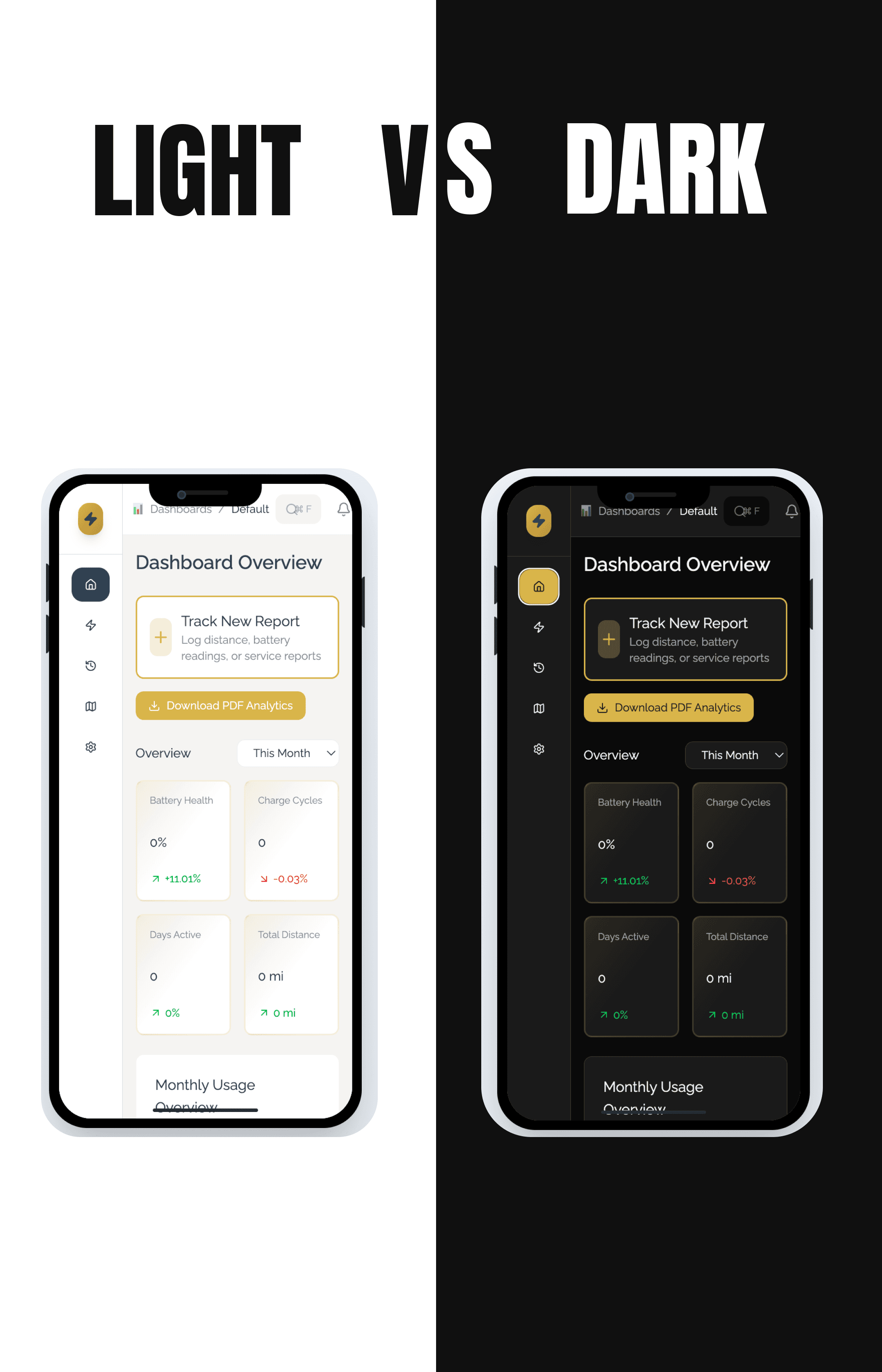
Light vs Dark Modes
Nielsen Norman Group findings show that 33% of users prefer light mode, data indicates strong preference for dark mode, with over 80% using it at night. It improves readability, extends device battery life, and increases engagement.
2. Talking to Designers (Designer Interviews)
What they did: Asked Amazon designers questions about how they make websites and apps.
Why: To understand if they think about being honest and fair to users.
What they found: Some designers didn’t realize certain tricks on the site could confuse or pressure people.
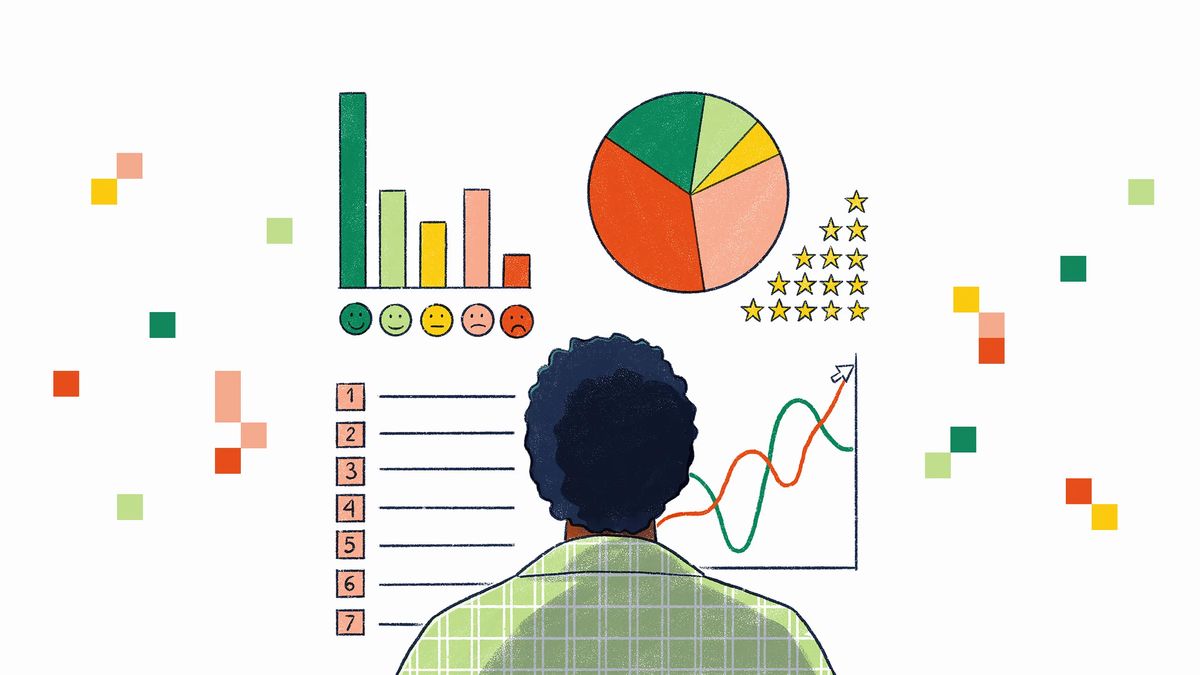
3. Asking People What They Think (Surveys)
What they did: Showed users and designers new versions of Amazon screens without the tricky parts and asked them to rate them.
Why: To see if people find the new versions clearer and more honest.
What they found: People liked the honest versions better—they felt more trustworthy and easier to use.
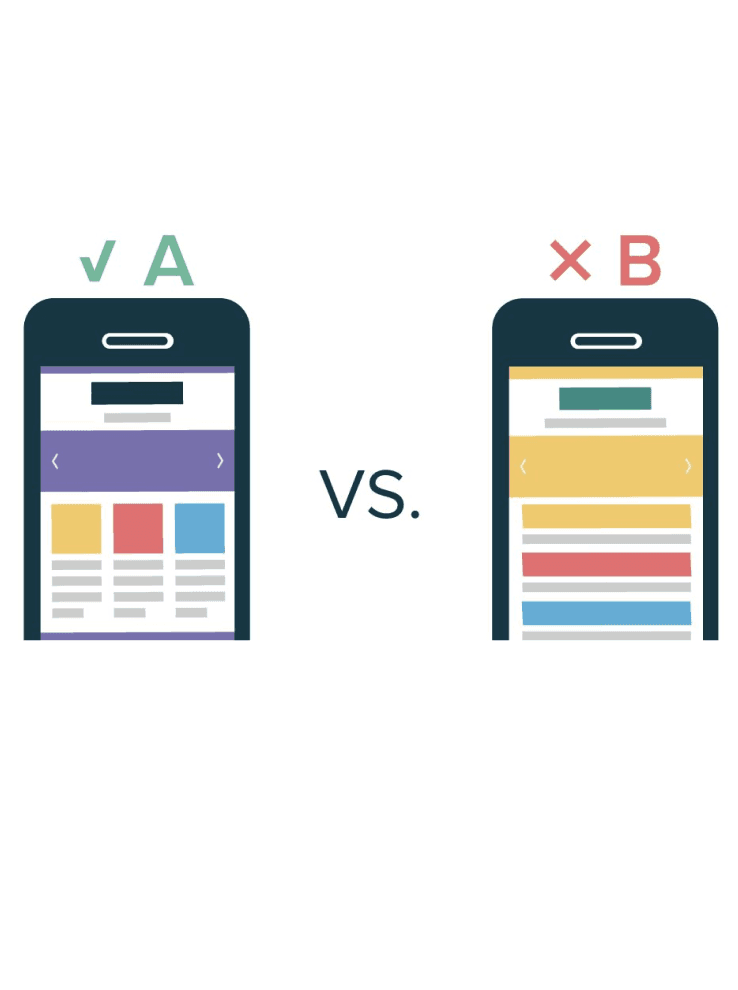
4. A/B Testing
What they did: Made new versions of Amazon pages that removed tricks and tested them with users to see how they reacted.
Why: To find out if honest, fair designs make the site easier and nicer to use.
What they found: Users preferred the fair designs—they were less confusing and felt better to use.